Barcoding in the Modern Warehouse: From Pick Accuracy to Full Traceability
Barcode scanning is not new. But the way it integrates with WMS platforms in 2026 is fundamentally different — and the gap between businesses using it well and those not is growing fast.
Barcode scanning has been a fixture of warehouse operations for decades. The technology itself — the ability to encode product data in a machine-readable format and scan it at the point of pick, receipt, or dispatch — has not changed fundamentally since its widespread adoption in the 1980s. What has changed dramatically is how barcode data integrates with modern warehouse management platforms, and the operational value that integration now unlocks.
The Gap Between Scanning and System Integration
In many distribution warehouses, particularly those that have grown organically, barcode scanning is used for a narrow purpose: confirming that the right product was picked. The scan validates the pick but does not automatically update inventory records, trigger invoicing, or feed into demand forecasting models.
This gap — between the scan and the system — is where significant operational value is lost. Every scan that isn't instantly reflected in live inventory data is a scan that contributes to the discrepancy between what the system believes is in stock and what is actually on the shelf.
Full-Integration Scanning in Modern WMS
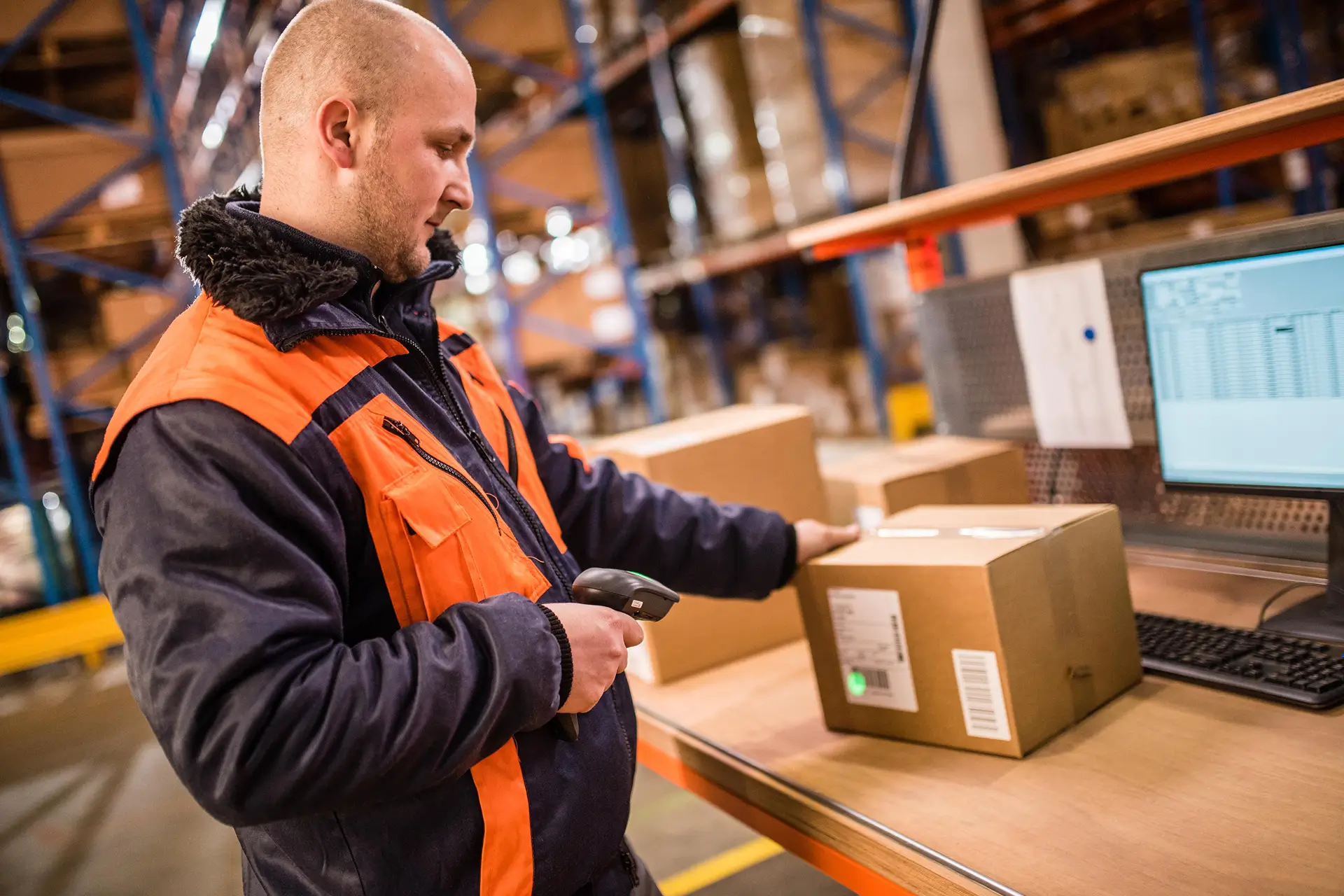
When barcode scanning is fully integrated with the WMS — as it is in ZifyWMS's mobile warehouse app — every scan becomes a data event. A goods-in scan updates inventory in real time, triggers matching against the original purchase order, and flags any discrepancies immediately. A pick scan confirms the correct item and quantity, updates live stock levels, and contributes to the fulfilment record that will generate the invoice.
The operational impact of this integration is substantial. Pick error rates — which average 9–12% in warehouses using printed pick lists — typically fall below 1% within 60 days of deploying scan-to-confirm picking on mobile devices.
QR Codes and the Shift to 2D Scanning
While traditional barcodes (Code 128, EAN-13) remain the standard for retail consumer products, QR codes and 2D symbologies (DataMatrix, GS1-128) are increasingly being used for warehouse-internal labelling. The advantage is information density: a QR code can encode product ID, batch number, expiry date, and supplier reference in a single scan — eliminating the need for separate label fields and reducing label printing costs.
For pharmaceutical distribution specifically, the ability to capture batch and expiry data at the point of receipt — automatically, via scan — is not just an operational convenience: it is a compliance requirement under DSCSA (US) and FMD (UK/EU) regulations.
Mobile Devices vs. Dedicated Scanners
The economics of warehouse scanning hardware have shifted. Dedicated barcode scanners (Zebra, Honeywell) remain the preferred choice for high-throughput operations where scan speed and device durability under continuous use are paramount. But for operations where pickers also need access to order details, pick lists, and dispatch information, modern smartphone-based scanning — using devices already carried by warehouse staff — delivers comparable accuracy at significantly lower hardware cost.
ZifyWMS's mobile app supports both dedicated scanner integration (via Bluetooth) and camera-based scanning on standard iOS and Android devices, allowing operations to choose the right hardware profile for their environment.